
48th Annual Mid-America Bonsai Exhibition
August 14, 12 noon to 5 p.m.
August 15 & 16, 9 a.m. to 5 p.m.
About | Guest Master | Vendors | Schedule | Workshops | Demonstration | Volunteers Needed! | Dinner and Auction | Tree Registration

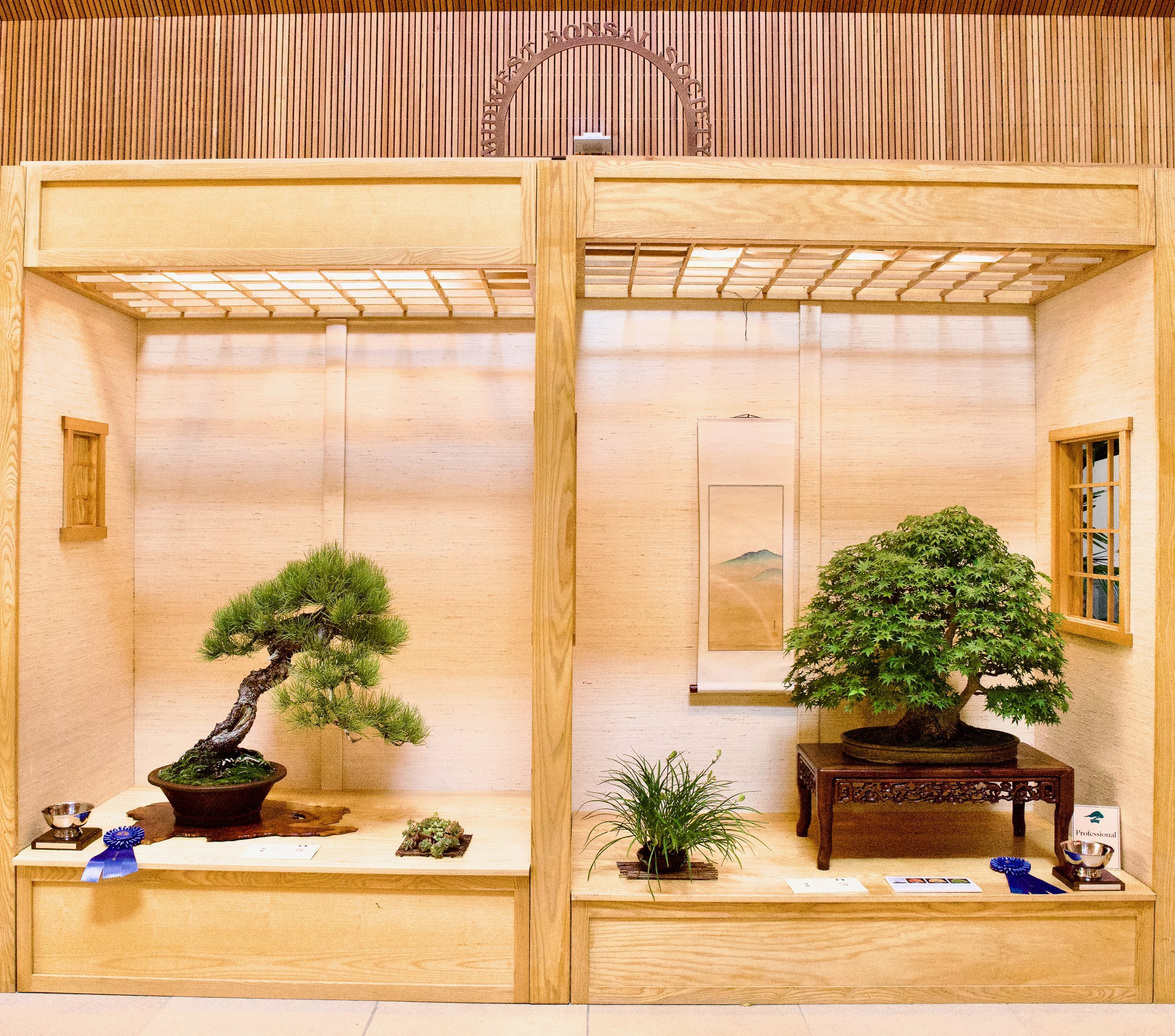
2022 Show-winning trees: Colorado Blue Spruce by Steve Jetzer, Satsuki Azalea by the Matthaei Botanical Garden of Ann Arbor Michigan, courtesy of Jack Sustic
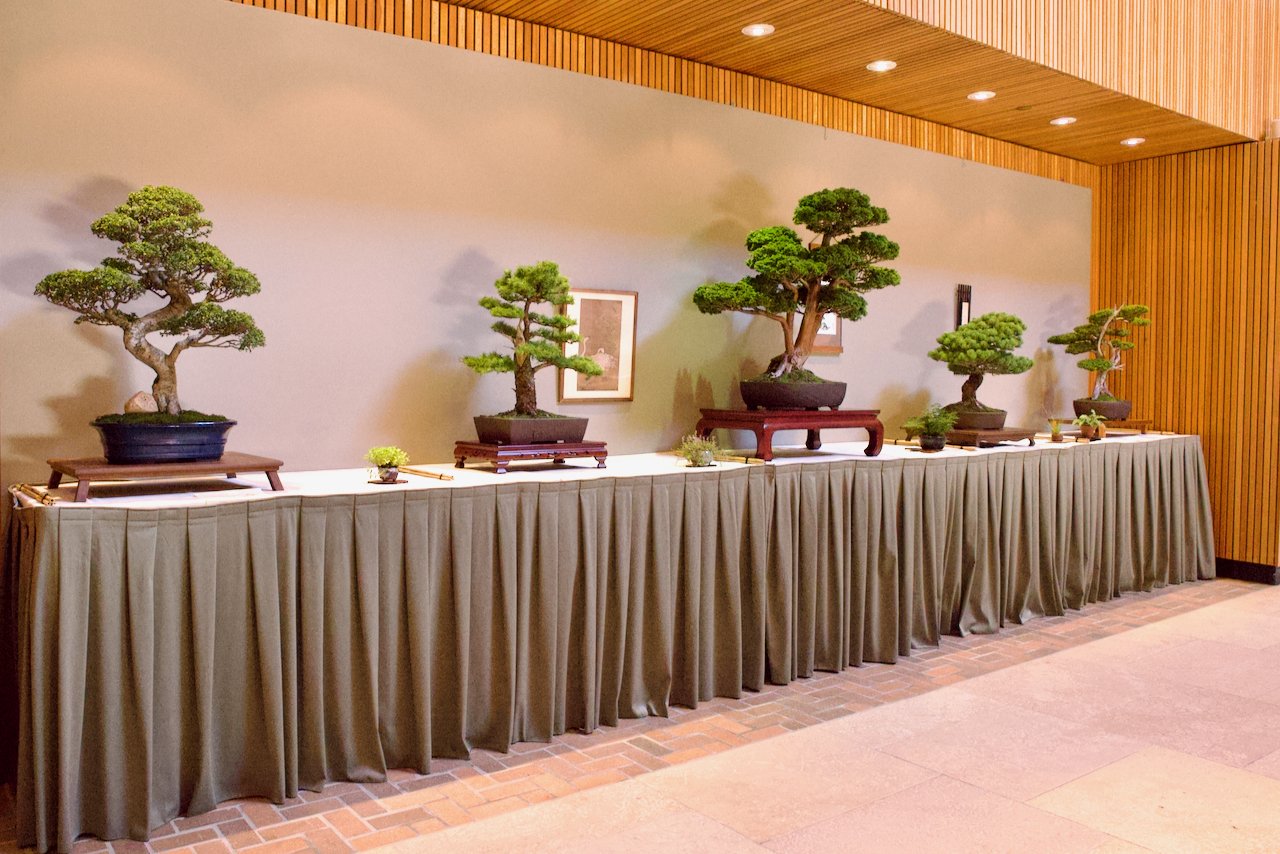
Our August Exhibition has the longest history, going into its 48th year in 2026. It is one of the largest regional shows in the nation. Centered on the Chicago Botanic Garden's Permanent Collection, featuring over 50 world-class trees, it’s a showplace of trees from across the Midwest and beyond. Enthusiasts from across the country bring their trees to be judged in the main hall at the Garden's Regenstein Center.
We have galleries of the August 2022 Exhibition, August 2017 Exhibition as well as the August 2015 Exhibition.

Ponderosa Pine by Andy Smith, as shown at the 2021 August Exhibition. Photo by Jen Fonseca.
There is no cost to attend the bonsai show once inside of the Garden, but regular parking rates and per-person admission ticket prices apply for entry into the Chicago Botanic Garden. Please see the Garden’s dedicated webpage for pricing details.
Traveling from out of town? Many of the hotels near the Chicago Botanic Garden offer discounted rates.

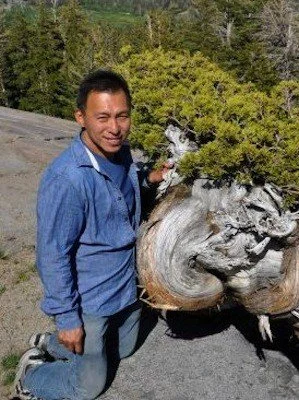
In my early days, the way I learned Bonsai was to pick up information wherever I could. I attended numerous events by visiting Bonsai teachers who came to the local club for demonstrations or workshops, but each teacher had a different way of doing things.
I witnessed presentations that involving heavy cut-back, wiring, styling, and repotting, all at the same time. I tried to ask about those trees and the total Bonsai process, but these classes were focused on putting something together in an hour or two. I knew even then that this was the wrong way to care for Bonsai—and the wrong way to teach. As I became more passionate about Bonsai, I began to step back and think there had to be a better way. When “Bonsai Today” started its publication, I read absolutely everything and tried to apply what was translated in those articles. It worked. Even when articles conflicted with each other, they were of great help. The gallery section of “Bonsai Today” featured trees from Japan that were far superior to anything I had ever seen before. These images were so inspiring to me that I visited Japan to see the trees myself.
Soon after, I learned that Akio Kondo, a first-year Bonsai professional, had chosen to live and work in California for one year. I invited him to live in my home and set up shop in my backyard. Thus began an extensive education for me, continuing through the following seasons. Akio was a man with high standards for Bonsai, and my time with him led to my decision to return to Japan to further my Bonsai education.
Upon my return to California, with much new information to share, I established my business, Bonsai Boon. Later, in 1998, I started Bay Island Bonsai in order to teach others to recognize, create, and maintain high quality Bonsai. Bay Island Bonsai became the perfect vehicle to pass along Bonsai information in a structured and logical way, and to follow the progress of students and their trees. I am often amazed how quickly students pick up Bonsai skills when they are held to high standards and are encouraged to ask questions.
In recent years, the art of Bonsai has improved outside of Japan, as has the quality of the trees in Bonsai shows. Several Bonsai artists who have studied with me have also studied in Japan, and a few are currently studying with some of the best Bonsai masters in the world. Instead of the hit-and-miss education of the past, today’s serious Bonsai students can learn from teachers who are equipped to lead them through the entire process.
I like to think that I have had something to do with improving Bonsai standards through my Bonsai workshops, Bonsai intensives, and regular study groups across North America. My goal has not changed. I want to be able to walk into any Bonsai show in America, enjoy healthy and well-done trees, and later say, “That was a good show.” I believe this happy change has already begun.

Ancient Art Bonsai
Mark Passerrello has been growing bonsai for more than 30 years and he started experimenting with clay about 3 years ago. His exploration of clay began specifically with the intent to make pots for bonsai, especially for smaller size bonsai (miniatures of miniatures) as well as containers for the companion plants that are part of a traditional bonsai display. He’s also made some Japanese style tea vessels as well as orchid pots and general purpose plant pots. Just because the container was intended for a miniature tree doesn’t mean it won’t look great with your cactus, succulent or pothos in it! Mark likes the feeling of wabi and sabi that comes from the handmade pieces he makes. They have a rugged and organic feeling, and are clearly one of a kind made by a person in a workshop, not an automated process in a factory. Mark will be bringing pots, ‘finished’ bonsai and some other oddities as well. Also, bonsai and Japanese themed collectables, art pieces and some vintage books on bonsai. Stop and say hello!

Asian Artique Scrolls

Specializing in vintage and antique Japanese scroll paintings and offers other Asian collectibles. Kristy Majeske has been selling scrolls for over 20 years, and is also an artist, painter, sculptor and wood worker. She offers her own reproductions of small Japanese panels for bonsai for display and takes custom orders in all three mediums.
Banks Services LLC
Barrington Bonsai
BC Bonsai

Local grower of Bonsai starter stock grown at their nursery. Grown without grafting, they have both container and field grown trees. Their Bonsai work stands are amazing. Linda Camp and Jim Beck also offer Bonsai supplies and classes.
Black River Bonsai

Founded in 2019 in northeast Ohio, Black River Bonsai offers a budget-friendly collection of bonsai and pre-bonsai specimens, along with all the tools and accessories you need. Whether you're a beginner or a seasoned enthusiast, we believe bonsai is more than a hobby – it's a passion that unites us. Embrace the beauty of nature's miniature wonders and Cultivate your Calm with Black River Bonsai.
Bonsai by Fields

Mark Fields is a noted Bonsai artist. His nursery is located in Greenwood, IN. Mark leads workshops, lectures and demonstrations. We welcome his return and look forward to the workshop he will be leading.
Brian Kritzman / American Bonsai Furniture
American Bonsai Furniture is a project that looks at the tradition of Japanese Bonsai display and recasts it through a regional lens. The inspirational references for these tree settings are midwestern industrial landscapes and vast expanses of farmland. The display elements are designed for shohin scale trees and include pots, stands and companion elements.
Dasu Bonsai Studio

Dave Lowman operates DaSu Bonsai Studios on his 800 acre farm in central Iowa. He provides workshops, demonstrations and classes on Bonsai. Dave started in Bonsai in 1981 and has been coming to Chicago for our Exhibition for many years.

Fox Stoneware Bonsai
Golden Arrow Bonsai

For over 20 years, specializing in transplanting wild trees from the mountains of the American west for bonsai training. Some of the most desirable trees to use for bonsai training are specimens collected from nature that may already be quite old and show the distinctive character and charm that comes with a long and relentless struggle for survival.
Green Witch Gardens

Michigan’s largest Bonsai Nursery is returning to our Exhibition. Located in Monroe, Green Witch Gardens has been providing Bonsai and pre-bonsai trees for many years.
I DIG IT BONSAI
I DIG IT BONSAI is owned and operated by Michael Alford specializing in field grown and collected bonsai material. Officially starting in Emory Texas around 2018 it slowly formed out of the pursuit of wanting better material for to work on. Michael quickly discovered that there was an interest and the same desire for material from many other bonsai enthusiasts. Michael currently has over 2500 trees in the ground of more than 10 different varieties including Japanese black pine, trident maple, Chinese elm and bald cypress. Michael also goes around Texas finding great material to use, focusing on native species.
Jim Theodore Design
Jim Theodore designs and builds bonsai display tables from his workshop located in Cleveland, Ohio. His quality-built tables have been used to display prominent trees in major US shows since 2021. Jim will also have some newly created April Grigsby pottery for sale. jimtheodoredesign.com

Kawa No Oka Bonsai

Kawa No Oka Bonsai is a family run business in southern Indiana. Owner Jason Parrish has been involved with bonsai since 1997. He prides himself on producing and offering quality, healthy pre-bonsai, and to make the bonsai art and hobby affordable and available to anyone that has the interest. He will be displaying trees from his personal collection as well as offering pre-bonsai, bonsai material, and supplies.
Kusa-Farm

We are a Shohin Bonsai nursery focused on bringing the highest quality of plant material to our customers.

Lakeside Bonsai

Morning Sun Bonsai
Victor Zurczak is a local bonsai artist from Skokie, IL. He has been practicing bonsai and exhibiting for 24 years.
Mulberry Creek

Mulberry Creek returns to our Exhibit. Mulberry Creek is well known for Bonsai accent plants, Faery Garden plants, and ground covers. They also have a line of Bonsai starter trees that are sure to generate a lot of interest. They are located in Huron, OH. www.mulberrycreek.com
North Branch Bonsai
Pottery Cat Design Studio
Mark Cook began throwing pottery in the Spring of 2020. Based upon local retail success, Mark and his wife founded Pottery Cat Studio in 2021. Mark has since been receiving input and guidance from local bonsai artists and looks forward to attending our show and meeting the needs of the bonsai community.
Quattlebaum Bonsai Nursery
Sansei Artisans
Jack Ken Matsumoto of Buffalo Grove, IL retired from teaching and has taken up Japanese calligraphy and scroll design. He has exhibited regularly at the Japanese American Festival in Illinois and will be joining us once again at our August Exhibit. His booth also as other interesting collectables.
Satsuki Bonsai-En
Still Bonsai
Maria is the owner of Still Bonsai, is Polish born, and attended art school in Poland. Maria and her daughter, Caterina, are bonsai enthusiasts who enjoy all aspects of the art and its related accompaniments. Still Bonsai offers young, initially styled deciduous and juniper trees, and some kusimono along with wooden rings and stone pieces for bonsai display.
Tom Phardel Pottery

Tom Phardel is known for making high quality high temperature stoneware bonsai containers.
Treegami

Treegami specializes in plastic training pots (Bonsai Shoes), Wire Condo premium wire caddies, bonsai seeds and Tree-Shirts! treeigami.com
Waldo Street Pottery
Waters Edge Bonsai
Kurt and Lita Smith formerly owned The Flower Market bonsai nursery for 35 years. Now semi-retired, Waters Edge Bonsai is their newer bonsai business. They sell bonsai on-line and at a few shows annually. They sell a variety of tropical and hardy pre-bonsai, potted specimen and collect trees. They have a wide range of ceramic pottery, and have increasingly focused on Asian art and accessories including mudmen, Asian paintings, stands, suiseki and vases.
Wild for Bonsai
Yume-En

Robert Hoffman of Yumi-En Bonsai from Ohio will be returning to our exhibition. We’re still asking him to bring the dogs!
Midwest Bonsai Society

The Midwest Bonsai Society will be selling memberships, as well as pins, patches, and branded clothing items with the Society’s logo on them.
The show is open Friday August 14, 12 noon to 5 p.m., Saturday August 15, 9 a.m. to 5 p.m. and Sunday August 15, 9 a.m. to 5 p.m.
The full event schedule is available below. Click the schedule to download a printable copy!
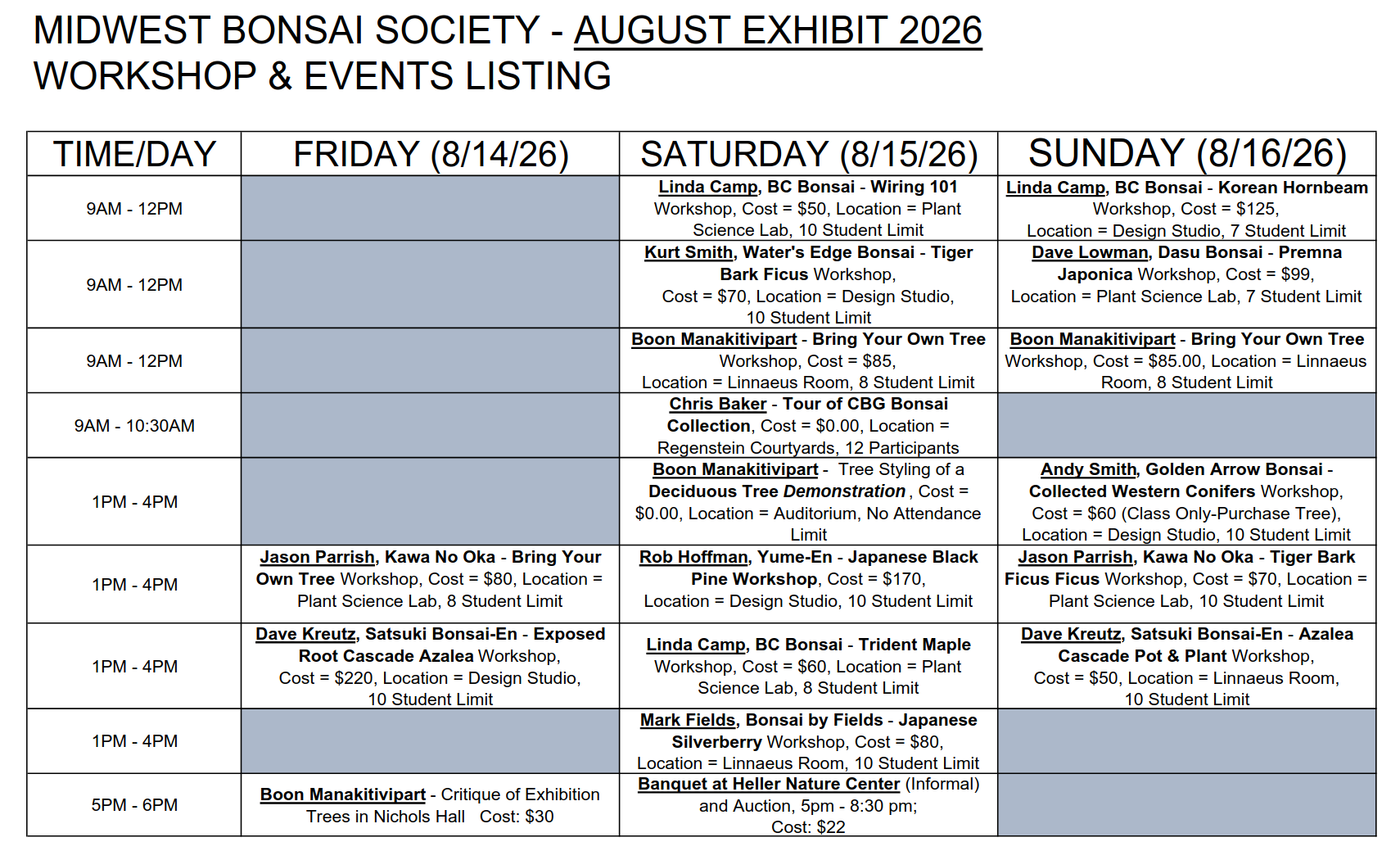

Putting on the August Exhibition is no small feat. Be it the setup of the show space, supporting our vendors unload and setup, helping direct patrons to the workshops, providing eyes and ears over the trees, or answering questions from those viewing the Exhibition, your volunteer hours help make the Exhibition run smoothly! Register securely (and for free!) via the links to EventBrite!
Wednesday, August 12
Team #1: Offsite Storage Pick-Up & Exhibit Assembly: 2pm - 5pm
Team #2: Exhibit Hall Preparation: 2pm - 7pm
Thursday, August 13
Team #3: Cover and Skirt Tables: 8:30am
Team #4: Vendor Drop-off/Unloading: 9:30am - 1pm
Team #5: Vendor Table Prep., Hang Signs: 3pm - 5pm
Team #6: Tree Registration: 3pm - 5pm
Team #7: Nichols Hall Tree Arranging: 4pm - 7pm
Team #8: Tree Registration: 5pm - 7pm
Friday, August 14
Team #9: Judging Assistant: 7:30am - 12pm
Team #10: Sales Table: 9am - 12pm
Team #11: Lunch Crew: 10:30am - 12pm
Team #12: Sales Table: 11:45am - 3pm
Team #14: Information Table: 12pm - 3pm
Team #16: Sales Table: 3pm - 5pm
Team #17: Information Table: 3pm - 5pm
Team #18: Exhibit Critique Steward: 5pm - 6pm
Saturday, August 15
Team #19: Docents: 8:45am - 12pm
Team #20: Sales Table: 8:45am - 12pm
Team #21: Information Table: 8:45am - 12pm
Team #22: Lunch Crew: 10:30am - 12pm
Team #24: Sales Table: 12pm - 3pm
Team #25: Information Table: 12pm - 3pm
Team #27: Sales Table: 3pm - 5pm
Team #28: Information Table: 3pm - 5pm
Team #29: Park District Banquet Set-Up: 4pm - 5pm
Sunday, August 16
Team #30: Docents: 8:45am - 12pm
Team #31: Sales Table: 8:45am - 12pm
Team #32: Information Table: 8:45am - 12pm
Team #33: Lunch Crew: 10:30am - 12pm
Team #35: Sales Table: 12pm - 3pm
Team #36: Information Table: 12pm - 3pm
Team #38: Sales Table: 3pm - 5pm

Returning again in 2026, our ever-popular Dinner and Auction will occur Saturday night of the show.
Tree registration for the Mid-America Bonsai Exhibition is open to all, regardless of residency or skill level. There is no fee to register trees. Trees are judged by our Guest Master, and critique sheets are provided to tree owners after the show. Trees are registered into four classes: Novice, Open, Professional and Non-Judged.
Novice – Any person who not won any ribbons or awards for any trees in a Midwest Bonai Society event
Professional – A person engaged in a specified activity, especially a branch of the preforming arts, as a main paid occupation rather than as a pastime. Said Bonsai professional should receive 50% or more of his or her total annual income from Bonsai related activities
Open – Everyone who is not a Novice or a Professional
Please note that due to a ban at the Chicago Botanic Garden, no Boxwoods will be allowed at the Exhibition. Our page dedicated to Boxwood Blight has more information.
At drop-off (Thursday) and pick-up (Sunday) carts will be in short-supply for exhibitors to move their trees. Please try to bring your own cart, if required, to move your tree in and out of the exhibition.
While trees are spot-watered throughout the weekend of the Exhibition, please make sure your trees are thoroughly watered before tree registration.
The Midwest Bonsai Society reserves the right, in conjunction with Senior Member and Guest Master feedback, to reorganize and move trees and displays around the Exhibition at its discretion, for aesthetic or logistic purposes, at any point during the Exhibition. Lighting is fixed within the Exhibition hall; tree owners are not able or allowed to modify the lighting above or around his/her tree(s).